The Weight of Motherhood: Scaling the Impact of a Global Maternal Health Crisis.
Every seven minutes, somewhere in the world, a woman dies from complications related to Hypertensive Disorders of Pregnancy (HDP). While the medical community has made historic strides in infectious disease and surgical safety, Preeclampsia remains a stubborn, lethal paradox. It is a condition that is entirely predictable and, in many cases, manageable—yet it continues to be a leading driver of maternal and neonatal death on every continent.
When we scale the problem of Preeclampsia from a national lens to a global one, the numbers transition from concerning to staggering. According to the World Health Organization (WHO) and the Lancet Global Health (2025), hypertensive disorders are responsible for approximately 16% of all maternal deaths globally. This translates to roughly 46,000 maternal lives lost every year, accompanied by an even more devastating toll on the next generation: nearly 500,000 infant deaths annually are linked to Preeclampsia and its progression into Eclampsia.
To solve a crisis of this magnitude, we must look at the global data, the widening health disparities, and the urgent need for a shift in how we diagnose the world’s most vulnerable mothers.
The Global Burden: A Statistical Reality Check
The global prevalence of Preeclampsia is currently estimated at 4.43% of all pregnancies, according to a 2025 systematic review in Frontiers in Reproductive Health. While that percentage might seem small, in a world with approximately 140 million births per year, it represents millions of high-risk pregnancies that require specialized monitoring.
However, the "burden" of these numbers is not shared equally. The risk of a woman dying from Preeclampsia is determined less by her biology and more by her geography.
1. The Survival Gap in LMICs
In Low- and Middle-Income Countries (LMICs), the risk of maternal death from HDP is nearly seven times higher than in high-income nations. In Sub-Saharan Africa and parts of South Asia, HDP can account for up to 25% of maternal mortality. In these regions, the path from a high blood pressure reading to a fatal seizure is often shortened by a lack of transport, a lack of magnesium sulfate (to treat mothers with preeclampsia or eclampsia), and, most critically, a lack of early detection.
2. The Persistence in High-Income Nations
Preeclampsia is not exclusively a "developing world" problem. Even in nations with advanced medical infrastructure, the numbers are rising. In the United States, data from the CDC (2024) shows that maternal mortality rates for Black women remain three times higher than for white women, with Preeclampsia being a major contributor to this disparity. This suggests that even when hospitals are available, the "quality of screening" and "early intervention" are failing specific segments of the population.
The Rising Tide: Why Global Cases are Increasing
As we move toward the 2030 deadline for the United Nations Sustainable Development Goals (SDGs), we are seeing an upward trend in Preeclampsia cases globally. Several "modern" factors are fueling this increase:
- Advanced Maternal Age: Globally, more women are choosing to have children later in life. Data shows that women over the age of 40 have a five-fold higher risk of maternal mortality compared to those in their early 20s.
- The Obesity and Diabetes Pandemic: Rising rates of metabolic syndrome across the globe are directly correlated with placental dysfunction. Obesity and pre-existing hypertension are now the leading risk factors for early-onset Preeclampsia.
- Health System Fragility: In many parts of the world, health systems are still reeling from the disruptions of the early 2020s. Routine antenatal care (ANC) visits—the very moments when Preeclampsia should be caught—have seen significant "quality gaps" in nearly 40% of the world's rural districts.
Beyond the Mother: The Neonatal and Economic Toll
Preeclampsia is a "dyadic" disease; it affects two lives simultaneously. Beyond the maternal deaths, the global impact on infants is a silent catastrophe.
Neonatal Morbidity
Preeclampsia is the leading cause of iatrogenic (medically induced) preterm birth. When a mother's blood pressure becomes uncontrollable, doctors are forced to deliver the baby early to save the mother's life. This results in millions of pre-mature babies every year who face long-term challenges, including respiratory distress, developmental delays, and increased risk of chronic diseases in adulthood.
The Economic Burden
The global cost of Preeclampsia is measured in billions. In the U.S. alone, the annual cost of managing Preeclampsia is estimated at over $1 billion due to prolonged ICU stays for mothers and NICU care for infants. Globally, the "cost of inaction" is even higher. When a mother dies or suffers permanent organ damage, the economic stability of the entire family unit collapses, particularly in regions where the mother is a primary caregiver or earner.
The Detection Hurdle: Why the Global Model is Broken
The primary reason Preeclampsia remains a leading killer is that our current diagnostic model is hospital-centric. Traditional diagnosis requires a centralized laboratory to test for proteinuria (protein in the urine) and a trained clinician to monitor blood pressure trends.
In a global context, this model fails because:
- Distance: A woman in a remote village cannot travel 50 miles for a routine lab test every two weeks.
- Infrastructure: Many primary health centers lack reliable electricity to run centrifuges or specialized equipment.
- Late Identification: Without proactive screening, diagnosis only happens when the mother presents with "symptoms" like blurry vision or severe headaches. At that point, the disease has already reached a critical stage.
The Key Insight: We are not losing mothers because we don't have a cure; we are losing them because we don't have the "eyes" to see the disease early enough.
Bridging the Gap: The High-Impact Lever of Early Screening
To meet the SDG target of reducing the global MMR to less than 70 per 100,000 live births, the world must move toward Decentralized Point-of-Care (PoC) Diagnostics.
Early screening is the most powerful "lever" we have. If we can identify kidney stress or rising protein levels in the second trimester, we can intervene with simple, low-cost solutions like low-dose aspirin or closer monitoring. This shifts the clinical focus from "Emergency Response" to "Preventive Management."
The Need for Scalable PoC Devices
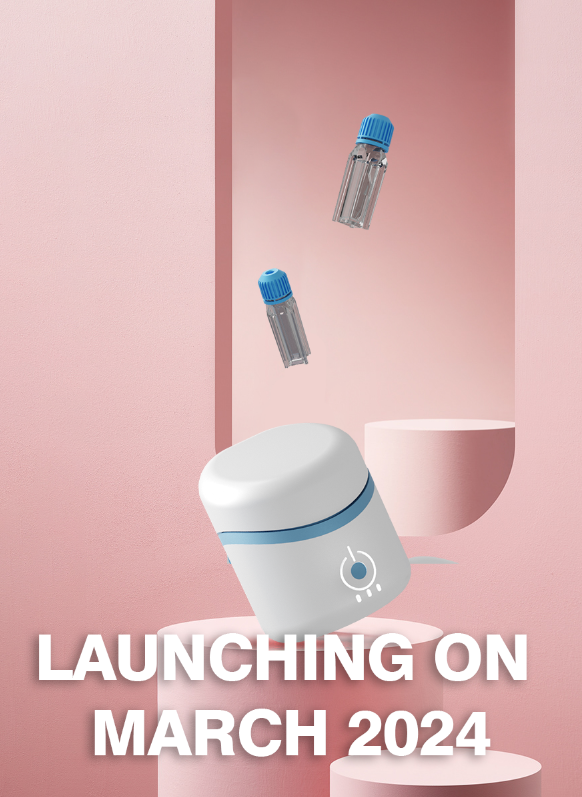
The world needs diagnostic tools that are designed for the "real world"—not just the sterile hospital environment. We need devices that are:
- Portable and Battery-Operated: To function in regions with unstable power.
- Data-Driven and Quantitative: Moving beyond the subjective "plus-sign" of old dipsticks to precise digital readouts.
- Accessible to Non-Specialists: Empowering community health workers (like ASHA workers in India or Promotoras in Latin America) to conduct screenings at the doorstep.
Conclusion: A Call for Global Health Equity
The "numbers we can't ignore"—the 16% of maternal deaths and the 500,000 lost infants—are not inevitable. They are a reflection of a diagnostic gap that technology is finally ready to bridge.
Scaling the solution to Preeclampsia requires a global commitment to Universal Early Screening. By moving diagnostic power out of the lab and into the hands of frontline workers, we can ensure that a mother’s survival is no longer a matter of luck or location. The goal is a world where no woman has to wait for a seizure to know her life is in danger.
The data is clear: the cost of technology is a fraction of the cost of a life. It is time to make Preeclampsia a manageable condition for every mother, everywhere.
Global Data References:
- WHO: Trends in Maternal Mortality 2000-2023 (Global Estimates).
- The Lancet Global Health (2025): "Global and regional causes of maternal deaths."
- Frontiers in Reproductive Health (2025): "Global prevalence of preeclampsia, eclampsia, and HELLP syndrome: a systematic review and meta-analysis."
- CDC (2024): "Maternal Mortality Rates in the United States."
- UN Sustainable Development Goals (SDG) Knowledge Platform: Target 3.1.