The Long Game: Building a Defense Against Kidney Cancer
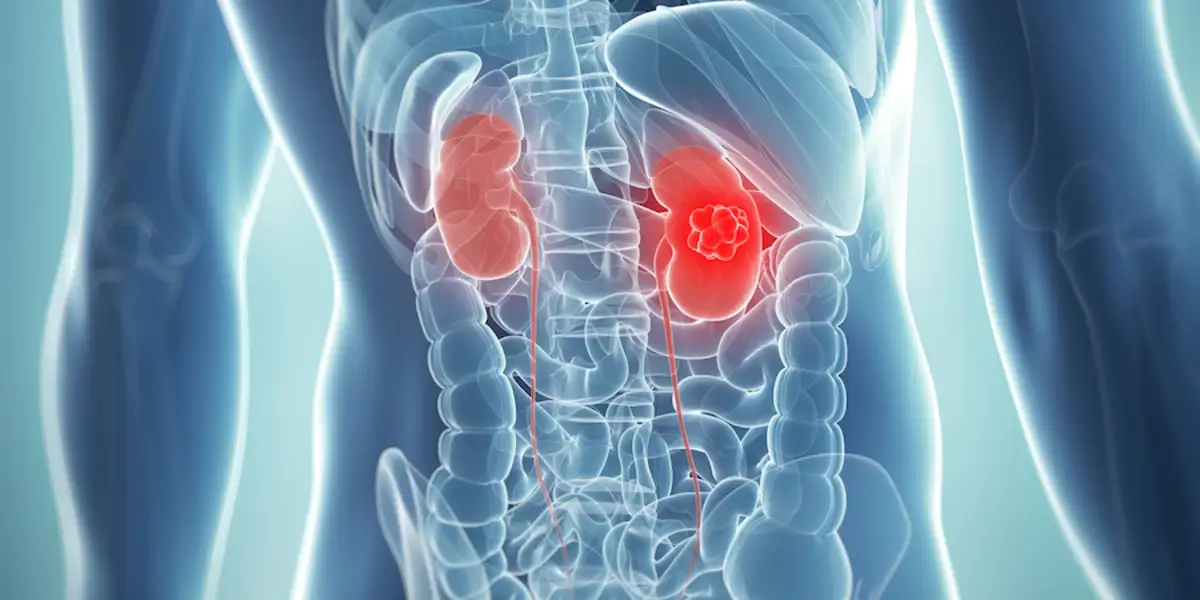
Kidney cancer (specifically Renal Cell Carcinoma) often develops silently, with symptoms appearing only after the disease has progressed, and is among the top ten most common cancers in the world. However, the kidneys are incredibly resilient if given the right environment.
This guide serves as a comprehensive information bank to help you transition from passive awareness to active prevention.
1. Kidney Cancer Prevention Starts with Kidney Awareness
Safeguarding kidney health starts with understanding the risks they face. As the body’s advanced filtration system, the kidneys process nearly 200 quarts of blood each day, removing toxins and excess fluids to maintain internal balance.
Understanding the Risk Factors
Prevention begins with knowing one’s personal risk profile. While genetics play a role, many risk factors are manageable:
- Hypertension (High Blood Pressure): It is believed that chronic renal hypoxia, which is linked to chronic hypertension, promotes angiogenesis and the proliferation of tumor cells.
- Obesity: The prevalence of obesity has increased in the past 3 decades. Multiple studies have been conducted around the world, suggesting an increased risk of renal cancer in obese patients.
- Smoking: Tobacco causes oxidative stress and damage to the kidneys, which results in renal impairment and increases the risk of renal cancer. Research indicates a clear correlation between the length of time and amount of tobacco use and the development of kidney cancer.

The "Silent" Nature of the Disease
Early-stage kidney cancer rarely causes pain. By the time "classic" symptoms like blood in the urine or a lump in the side appear, the cancer is often advanced. Awareness means acknowledging that prevention is the only 100% effective cure.
2. Lifestyle Habits That Protect Your Kidneys Long Before Disease
Daily choices act as the primary shield for renal health. It isn't about a "detox" or a "cleanse"; it's about sustainable biological support.
Dietary Foundations
- Manage Sodium Intake: High salt consumption forces the kidneys to work harder to maintain fluid balance; intake should be limited to less than 2,300 mg per day.
- Hydration, Not Over-Hydration: Adequate hydration is indicated by pale yellow urine—consistency matters more than excessive water intake.
- Protein Moderation: While protein is essential, long-term adherence to excessively high-protein diets can place metabolic stress on the kidneys.
Physical and Chemical Safety
- Exercise Regularly: This supports cardiovascular health, ensuring the kidneys receive steady, oxygen-rich blood flow.
- Limit NSAIDs: Chronic use of over-the-counter painkillers such as ibuprofen or naproxen can damage the kidneys; recommended dosages should always be followed.
- Quit Smoking: This is the single most impactful lifestyle change for reducing the risk of renal cancer.
3. Monitoring Today to Avoid Major Interventions Tomorrow
Early detection transforms a potential crisis into a manageable health condition. Monitoring serves as the link between lifestyle practices and timely medical intervention.
Essential Screenings: For individuals with high-risk factors such as diabetes, hypertension, or a family history of kidney disease, the following evaluations should be conducted in consultation with a physician:
- Urinalysis: Screening for trace amounts of protein or blood.
- Glomerular Filtration Rate (GFR): A blood test that assesses how effectively the kidneys filter waste.
- Blood Pressure Monitoring: Maintaining a target of approximately 120/80 mmHg is considered the benchmark for kidney protection.
The Power of “Incidental Findings”: Many kidney tumors are now detected incidentally during ultrasounds or CT scans performed for unrelated concerns, such as back pain or digestive issues. When an abdominal scan is recommended, the physician must provide a clear assessment of kidney health.
Key Takeaway: Kidney damage from high blood pressure or early-stage tumors is often asymptomatic. Regular monitoring remains the only reliable window into kidney health.