
Revolutionizing Kidney Care: 2025's New Drugs Meet Early Diagnostics
The six FDA-approved kidney disease medications in 2025 offer transformative options for slowing progression and protecting function in conditions like IgA nephropathy, C3G, and diabetic CKD. When paired with early diagnostic tools, these advances enable proactive monitoring and timely intervention for the general population.
Understanding Kidney Disease Burden
Chronic kidney disease (CKD) affects millions globally, with India facing a prevalence of 15-17% in screened populations, often detected late due to asymptomatic early stages. High-risk groups include those with diabetes, hypertension, and the elderly, where progression to end-stage renal disease demands costly dialysis or transplants. Early detection via urine albumin-to-creatinine ratio (uACR) and estimated glomerular filtration rate (eGFR) identifies damage years before symptoms, allowing interventions that slow decline by up to 30%.
Spotlight on 2025 FDA Approvals
In 2025, the FDA greenlit six targeted therapies addressing specific kidney pathologies.
- Ozempic (semaglutide) expanded for type 2 diabetes with CKD: This GLP-1 agonist slows progression, cuts kidney failure risk, and lowers cardiovascular death by mimicking hormones that ease kidney stress.
- Voyxact (sibeprenlimab-szsi) for IgA nephropathy (IgAN): A self-injected monoclonal antibody blocking APRIL protein reduces urinary protein, inflammation, and IgA buildup in kidney filters.
- Fabhalta (iptacopan) for C3 glomerulopathy (C3G): Complement inhibitor lowers proteinuria and inflammation from immune overactivity.
- Empaveli (pegcetacoplan) for C3G and IC-MPGN: Stabilizes kidney function and cuts immune-driven protein loss in patients 12+.
- Vanrafia (atrasentan) for IgAN: Endothelin blocker relaxes kidney vessels, slashing proteinuria and scarring pressure.
- Gazyva (obinutuzumab) for lupus nephritis: IV monoclonal antibody boosts complete response rates, preserves eGFR, and reduces proteinuria alongside standard care.
These drugs target root causes such as immune dysregulation, hormonal stress, vascular strain, offering disease-modifying potential beyond symptom management.
Power of Early Diagnosis with uACR and eGFR
uACR detects microalbuminuria (≥30 mg/g), signaling glomerular damage 10 years before eGFR drops, crucial for diabetics, where CKD risks escalate. Elevated uACR independently predicts progression and cardiovascular events, guiding therapies like these new drugs early. eGFR, derived from serum creatinine, stages CKD but misses initial harm; combining with uACR provides full risk profiling.
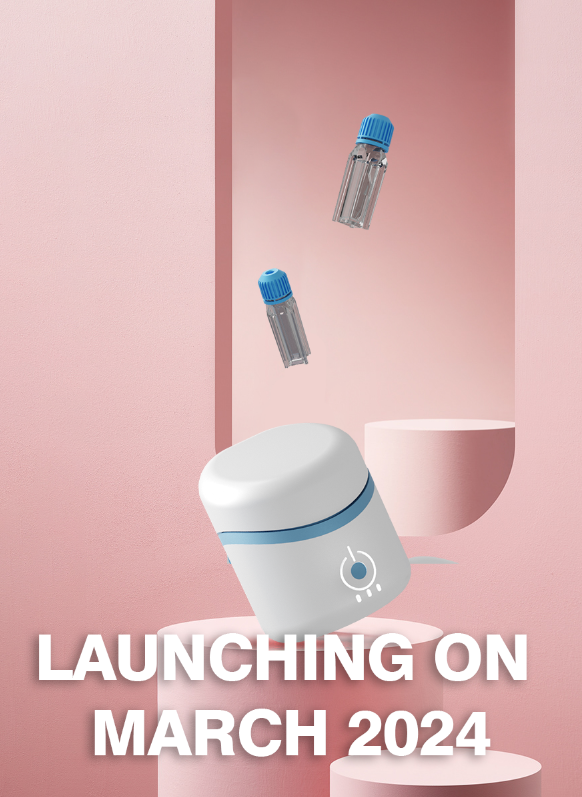
Prantae's Proflo-U delivers lab-grade uACR at home, app-integrated for sharing reports, ideal for India's high-burden context with rising CKD from 11% (pre-2017) to 16% recently. Their forthcoming dual uACR/eGFR tool aligns perfectly with monitoring needs post-diagnosis.
Synergy: New Drugs Plus Early Detection Benefits
Pairing 2025 drugs with tools like Proflo-U® maximizes population-level impact. Early uACR flagging prompts Ozempic initiation in diabetic CKD, curbing hyperfiltration before irreversible scarring. For IgAN, baseline uACR guides Voyxact or Vanrafia, tracking proteinuria drops as efficacy markers, potentially preserving GFR long-term.
In C3G/IC-MPGN, Empaveli/Fabhalta thrives on early intervention, stabilizing function when caught via routine uACR before advanced inflammation. Gazyva in lupus nephritis benefits from eGFR trends to achieve sustained remission. Overall, early detection slows progression, averts dialysis (reducing costs by enabling home monitoring), manages comorbidities like hypertension, and prepares for transplants if needed.
For common people, this means fewer hospitalizations, better quality of life, and economic relief—vital in India, where CKD burdens healthcare. Proflo-U's affordability and IoT/AI features support ongoing surveillance, ensuring drugs like Ozempic maintain benefits through real-time adjustments.
How Prantae Solution’s Proflo-U® is bringing in the change in Kidney Care.
These 2025 drug approvals underscore the critical role of early diagnostics in enabling timely, effective interventions for kidney disease. Devices like Proflo-U® stand out by providing accurate, at-home uACR measurements across a broad detection range (30-1000 mg/L albumin), allowing patients with elevated levels to initiate targeted treatments such as Voyxact or Ozempic promptly, before significant damage occurs. This serial monitoring capability—simple vial-to-cuvette design with app integration—tracks uACR trends over time, offering physicians objective data to assess treatment efficacy, adjust dosages, and prevent progression to advanced CKD stages.
In high-burden regions like India, where CKD often goes undetected until late, Proflo-U®'s portability and ease of use fill a key gap in routine screening for at-risk groups such as diabetics and hypertensives, enhancing overall patient care through consistent, non-invasive home testing.